FAQ Links
LASIK & IntraLASIK Lasik FAQs IntraLASIK FAQs Wavefront FAQs ReZoom FAQs ReSTOR FAQsC.K. FAQs
|
FREQUENTLY ASKED LASIK QUESTIONS
Where so I go now that Dr Boothe is retired?
Dr Boothe recommends Lasercare Eye Center for LASIK Eye Surgery in Dallas.
What is LASIK?
LASIK is an outpatient surgical procedure that uses a cool laser beam to gently reshape the surface of the cornea. This causes little or no discomfort and improves vision. The beam gently pulses to remove a microscopic amount of tissue, allowing images to be more sharply focused on the retina.
What are the differences between LASIK and PRK?
While LASIK and PRK are both effective laser procedures, most doctors and patients prefer LASIK. This procedure offers the following advantages:
- faster visual recovery
- less discomfort after surgery
- less risk of corneal haze or scarring
- less need for prolonged use of anti-inflammatory eye drops
- more appropriate for high myopic, high astigmatic and high hyperopic corrections
In addition, LASIK can be used to treat a much wider range of vision disorders.
Since with LASIK the surface of the cornea (epithelium) is preserved, LASIK patients see better the day following their procedure. PRK patients may require several days to weeks to achieve clear vision.
Am I a good candidate for LASIK?
Yes, if you’re at least 18 years old, in good general health, have good eye health with stable vision for the past year and no diseases such as cataracts. Laser surgery is used to treat a broad range of nearsightedness, astigmatism and farsightedness. In most cases, even patients with severe degrees of nearsightedness, astigmatism and farsightedness can be treated. Good candidates have realistic expectations.
What kind of results can I expect?
While laser vision correction has proven overwhelmingly successful, how well and how quickly your vision improves depends on how well you heal and the degree of correction required. Although patients can't be assured 20/20 vision, most LASIK patients with mild to moderate prescriptions do achieve 20/20 vision or are within one line of their best corrected vision. This means they no longer need glasses or contacts to drive, play sports, watch movies and TV, and can participate in careers requiring excellent vision such as being a pilot, police officer or firefighter.
Will the procedure hurt?
The LASIK procedure causes little or no discomfort and no needles are used. Instead, Dr. Boothe uses anesthetic drops to numb the eye just before surgery begins. After a LASIK procedure, the patient may feel a slight gritty sensation for a few hours, but should be quite comfortable after taking a short nap. Dr. Boothe can prescribe pain medication to alleviate any discomfort during recovery.
How well will I see after the LASIK procedure?
Results vary with each individual. In a recent study, 98 percent of patients treated for nearsightedness and/or astigmatism with the VISX STAR Excimer Laser System saw well enough to pass a driving test without glasses almost immediately. The patient’s vision should be improved immediately after treatment. Some patients may experience small vision changes during the first several months, which is a normal occurrence as the cornea reaches its stable state. After the patient's eyes have stabilized, Dr. Boothe will evaluate the results. If they are less than optimal, the patient may be eligible for an enhancement at no additional charge within three to five months of the initial procedure.
How soon can I return to work?
Some people go back the day after treatment. Two days are suggested. Most of Dr. Boothe’s surgeries are performed on Friday so that patients can return to work on Monday.
Are there any risks or side effects with LASIK?
Yes, as with any surgery, laser vision correction involves a degree of risk. Dr. Boothe gives patients the information regarding those risks and answers any questions that they may have. Results of clinical studies indicate that the chances of having a vision-reducing complication are less than 1 percent. There have been no reported cases of blindness resulting from LASIK.
Is it expensive?
Compared to the cost of glasses, contact lenses and lens care over the course of 10 years, LASIK is a cost-effective alternative. Patients have clear, natural vision with reduced (or eliminated) dependence on glasses and contacts. While some medical plans may cover the cost, most still consider this an elective treatment and therefore do not pay for the procedure.
Partners Oasis Communities Runcorn is unique, our focus on welfare goes beyond inpatient treatment
jessabellanails.com is a nail design blog
|
Boothe & LASIK in Dallas
Dr. Boothe continues to be the busiest IntraLASIK surgeon in the world, having now performed over 83,000 IntraLASIK procedures. His passion for excellence and his commitment to state-of-the-art technology has made Boothe Eye Care & Laser Center one of the premier vision centers in the country.
Lasik Testimonial
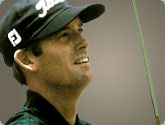 “I cannot express to you in words what a dramatic difference vision correction has meant to me in life. I have been in glasses or contact lenses for roughly 20 years and I cannot tell you what a pain it is to be as active of an athlete as I am and wear corrective eyewear. Just waking up in the morning is a whole new experience now that I don’t trip over four pieces of furniture and a couple of toys trying to find my glasses. As for the golf course, my vision is now better after vision correction that it was before my corrective eyewear. I will probably never be as great as Tiger Woods on the golf course but my vision correction will allow me to make my own little dent in North Texas golf history. All thanks to you.
“The personnel in your office is second to none and should be constantly commended. They are very professional and knowledgeable about a topic that would frighten most people. After all, we have only one set of eyes that must last a lifetime. Your professional staff made me feel extremely comfortable about the entire procedure. My hats off to them!
“As for you, YOU ARE THE MAN! It has been a pleasure being one of your patients as well as getting to know you and your family. I wish you continued success in your business as well as with all your endeavors. I’m sure it must be a neat feeling going home at night (probably very late!) knowing you have touched so many lives with your professionalism and talents. Thanks again for everything.”
Bruce Smith,
PGA Golf Pro
2000 NTPGA Player of the Year
|
